
Overview
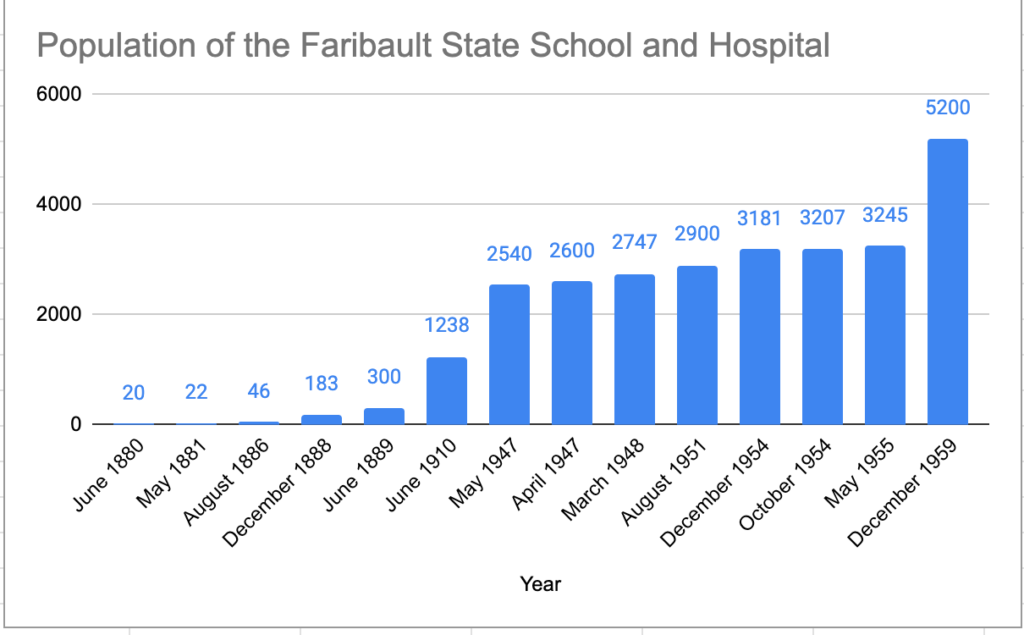
The Faribault State Hospital operated from 1881 until 1998 under a number of different names including the “The School for the Feeble Minded,” “The Faribault Regional Center,” and the “Faribault State School and Hospital,” among others. Its population peaked in the 1950s at over 3,000 residents. By the 1980s the state of Minnesota had began to move to a group home model for people with developmental disabilities, and the population lowered gradually until the institution was closed in 1998.
In its more than one hundred years of operation the State Hospital underwent a number of changes in policy and operation structure as societal understandings of treatment of people with disabilities changed. For example, the Faribault State Hospital was the main location for the eugenic sterilization of people considered to have “mental deficiencies” in Minnesota from the 1920s to the 1960s.
The Faribault State Hospital also operated a farm from 1890 to 1968, which provided much of the food for the institution and provided a source of income. A variety of other industries were also staffed by residents of state hospital who were paid very minimally. Remnants of the farm can be seen on RBNC today and are highlighted on the historical map.
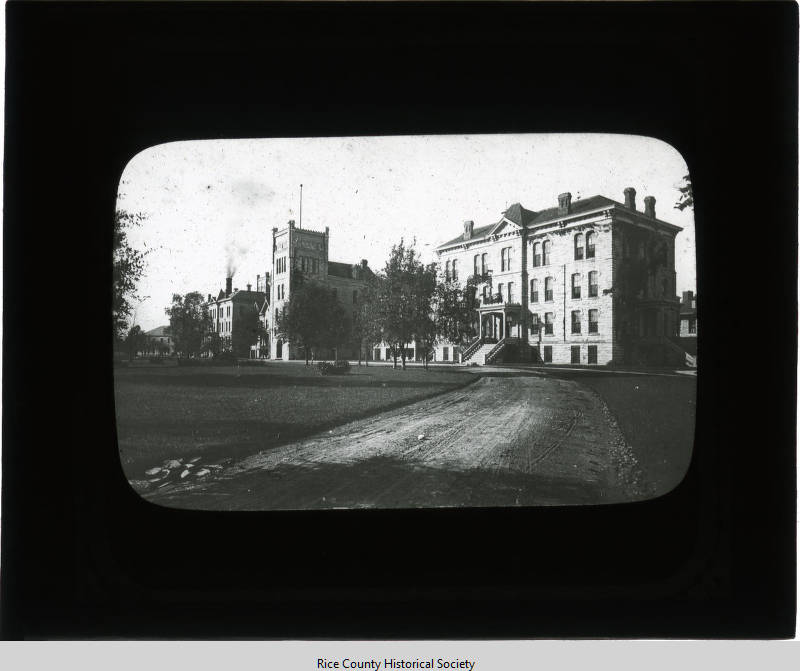
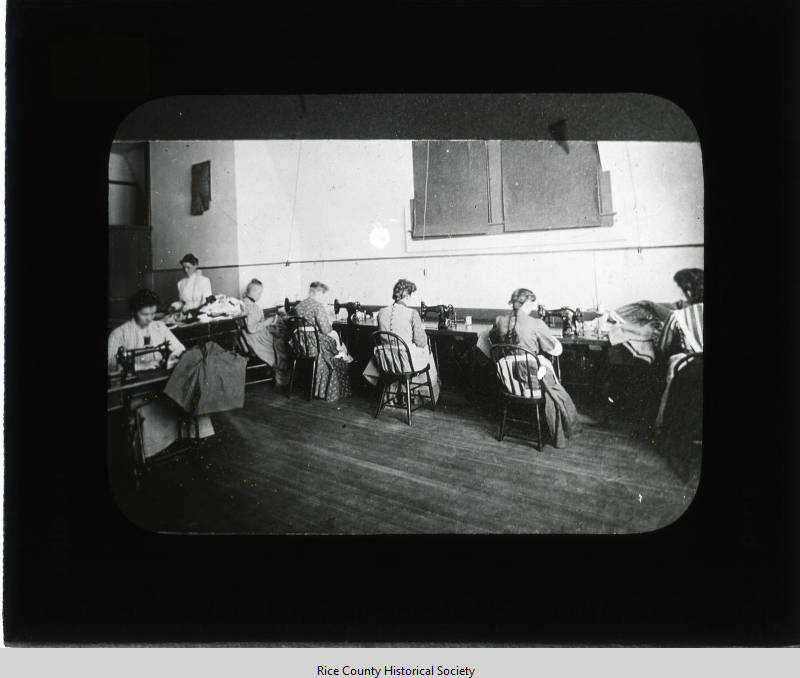
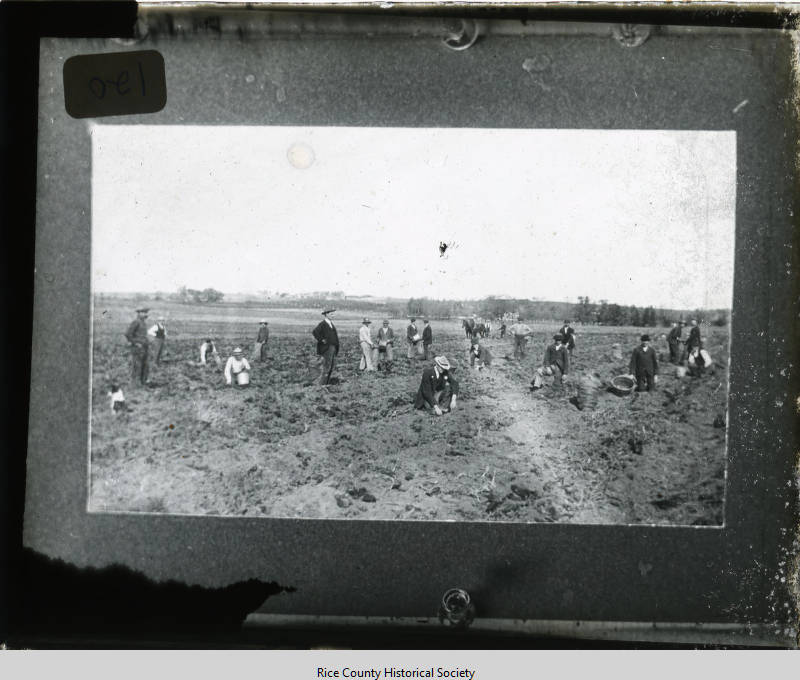
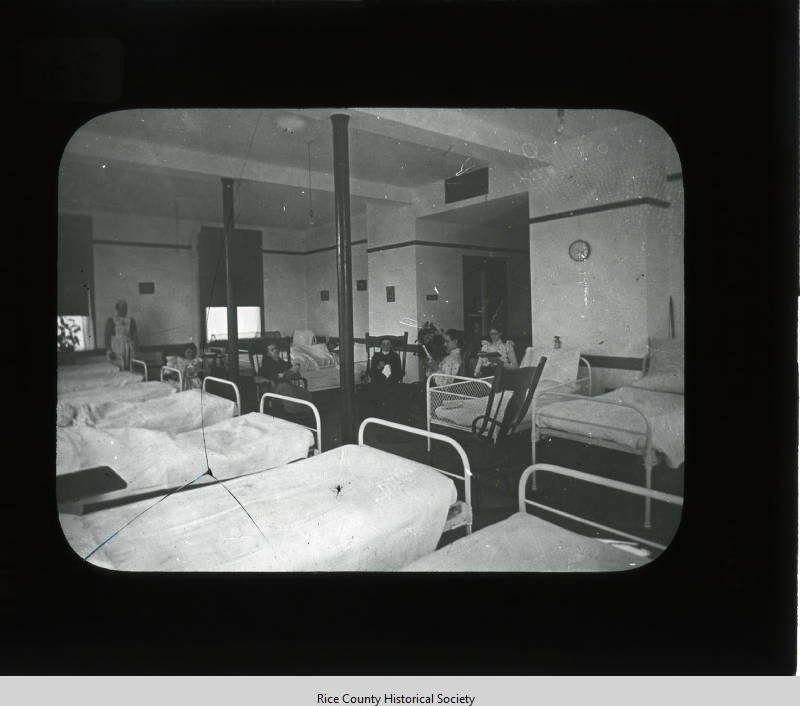
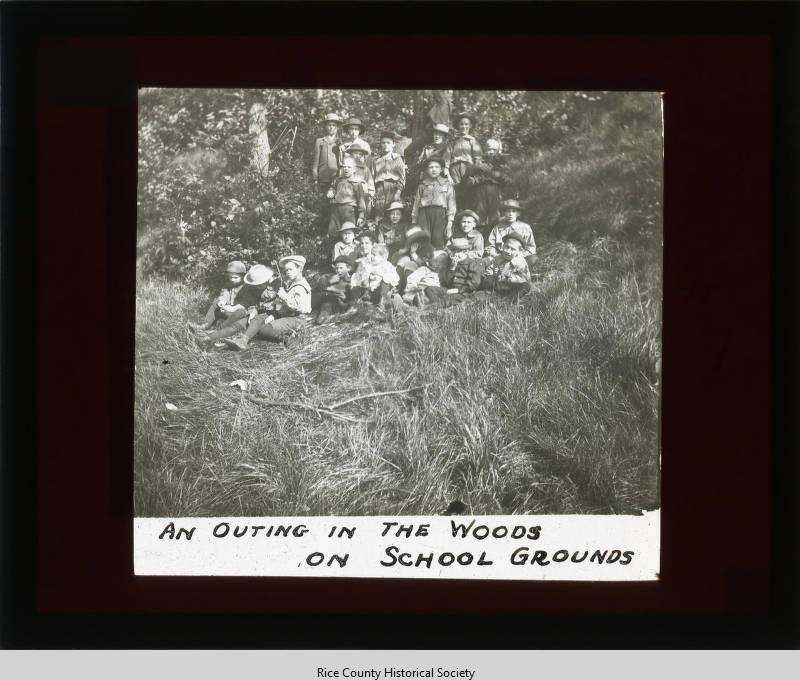
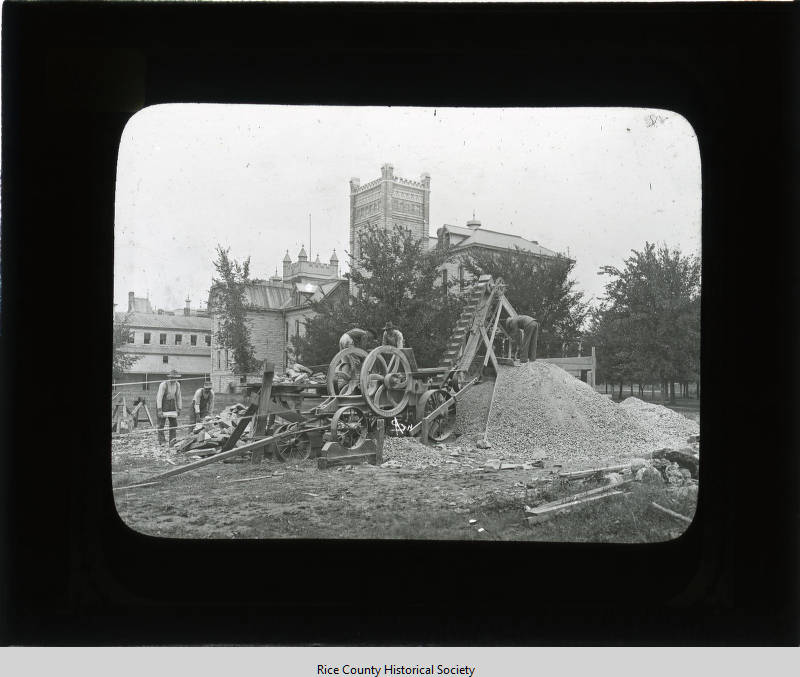
The above images Courtesy of the Rice County Historical Society show life at the Faribault regional center between 1890 and 1910.
Other remnants of the Regional Center can be seen throughout RBNC, including cemeteries, can dumps, and the remains of buildings. These locations can be found on our historical map.
The Regional Center and the town of Faribault had a variety of different relationships throughout the existence of the facility. The Regional Center provided a major source of employment for Faribault and the town felt a loss of jobs at its closing in 1998. However, efforts were not made to include residents of the facility in the larger community until the 1980s. After the facility’s closing, a number of its staff went to work at the newly-opened Minnesota Correctional Facility at Faribault.
The land on which the Regional Center was located has long been recognized as a beautiful natural area. A photo above shows residents on an outing to the woods around the Regional Center. Much later, in the 1970s, visitors could get permission to enjoy the natural beauty of the grounds. Today this land is partially used at the River Bend Nature Center.
Early Days
The first 22 students arrived to the school on July 28, 1879. They were young patients from the facility at St. Peter considered “educable,” a category that would continue to influence the operation of the Faribault institution. Something important to note about these children was that many of them didn’t speak English and were the children of immigrants, as noted in the June 1880 Minnesota Status Report.
From the beginning, the school had a condescending, eugenics-based attitude towards its charges. Its intake forms asked questions such as “Describe peculiarity in the shape of the head” (perhaps a reference to phrenological theories) , “Is he vulgar?”, “Is he easily managed?”, and, most disturbingly, “Is he sensitive to pain?” In a speech at the School for the Feeble-Minded, R.A. Mott, the director of the Minnesota Institute for Defectives, which encompassed the School for the Feeble-Minded, the School for the Deaf, and the School for the Blind, said “The fecundity of the feeble-minded is proverbial…We must move on the general government to shut down the flood-gates through which rushes upon us the torrent of impure blood from the east and from the west. If we are to remain the dumping-ground of all nations, we cannot build prisons, insane hospitals, and retreats for the defective classes fast enough to supply the demand” (pg. 36). Nevertheless, there was a great demand for the school almost immediately, with the school having a long waitlist as early as May 1881.
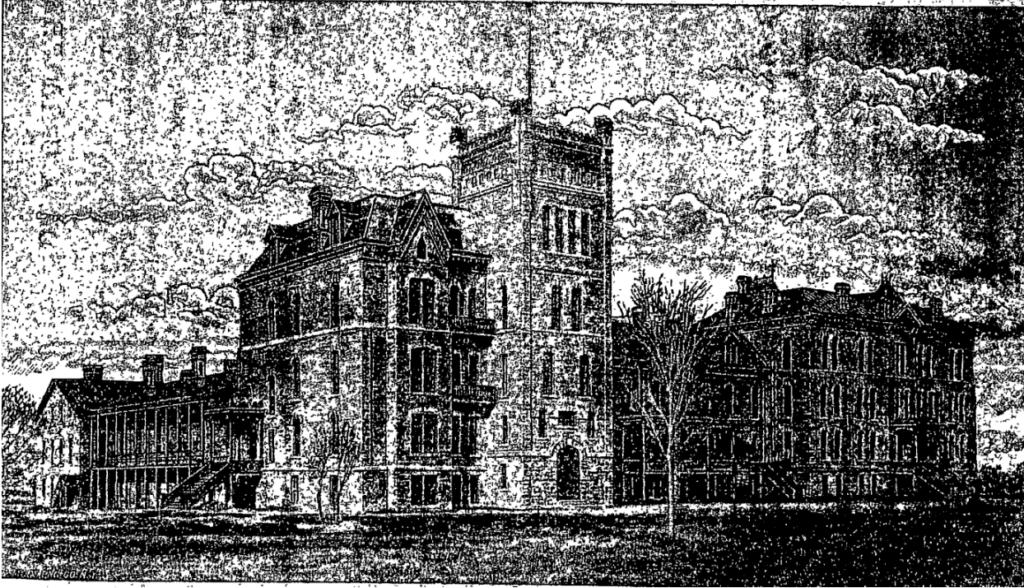
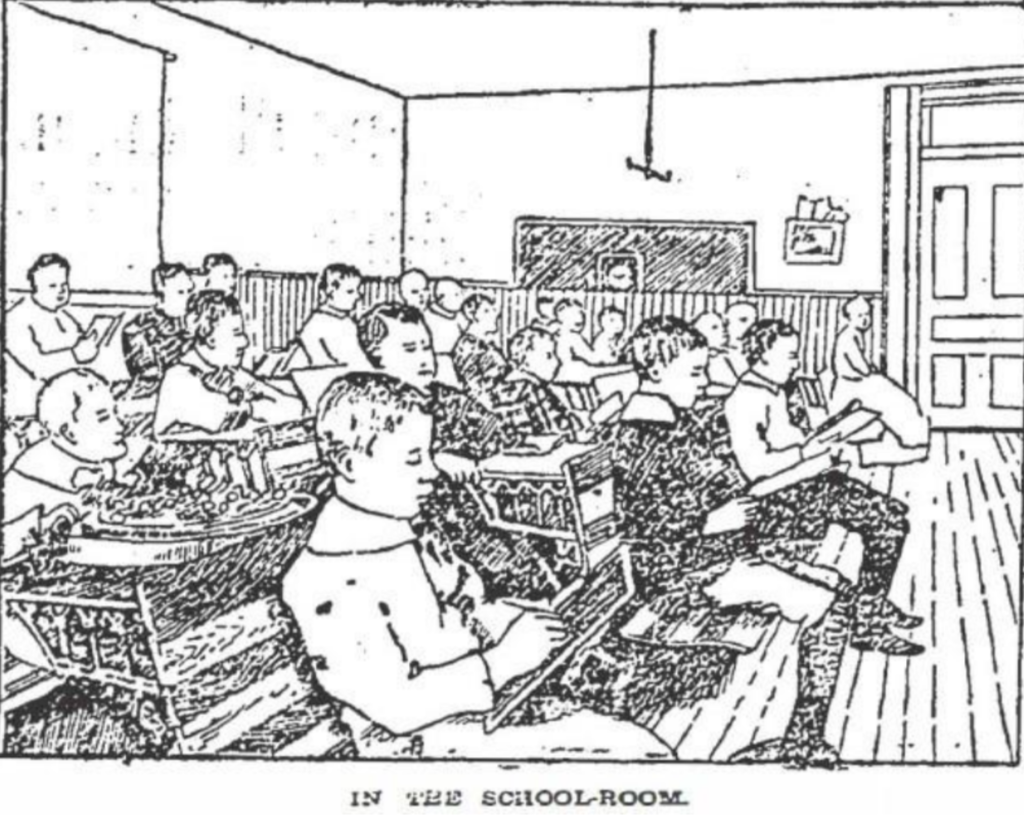
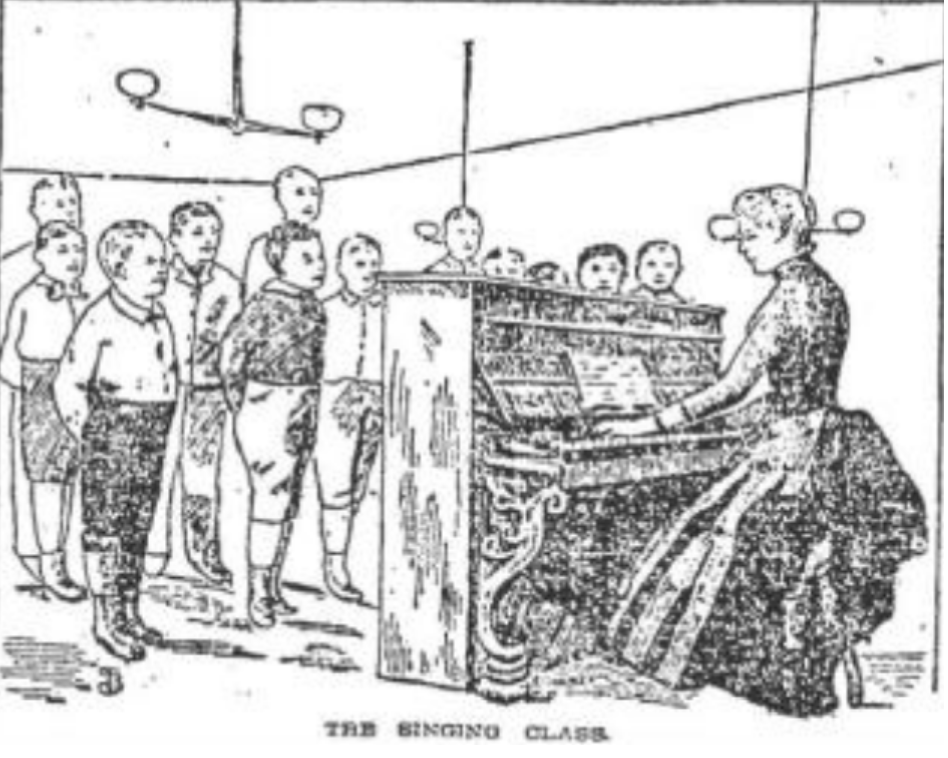
Children were given six hours per day of instruction at the school—much more in comparison with later years when the school was even more overcrowded, when some only received about an hour and a half of classes per day. They were not only taught traditional school subjects, but also received considerable training in handicrafts, music, and physical education. Despite being referred to as “inmates,” there was some sensitivity to patients’ emotional life, with patients being shielded from public attention and rules for visitors asking them to not refer to the patients’ disabilities in front of them, requesting “Imagine the child is yours and that other people are constantly trying to ascertain its name and peculiarities.” The school was a spectacle to the outside world, however, with one newspaper article in the Minneapolis Tribune boasting the headline “The Home of About Two Hundred Children Whose Heads Are Wrong. A Look Within at the Human Beings to Whom This Bright World Is Nearly a Blank.” This tone continued within the article, with the journalist stating “these children’s minds are stunted, compressed and almost incapable of being expanded and bent as the teachers [sic] wills” (pg. 7). A more mixed impression of the school, given by the same author, appears here:
Its walls might easily be mistaken for that of a prison, and the occasional cries that are heard from within might be guessed to be the plaints of hardened men locked in their dungeons, but no greater mistake could be made. Its inmates are innocent as babies and as harmless, and the cries come from those who cry not knowing why they do so. It is rather a museum wherein are stored a collection of human beings that fit this every-day world as a square peg fits a round hole. An effort is made to remodel some of them, while others that are too far out of line are simply given a new world, which is enclosed by the narrow limits of the building and which will be their abiding place until death kindly comes and gets them.
Minneapolis Tribune, June 30, 1888
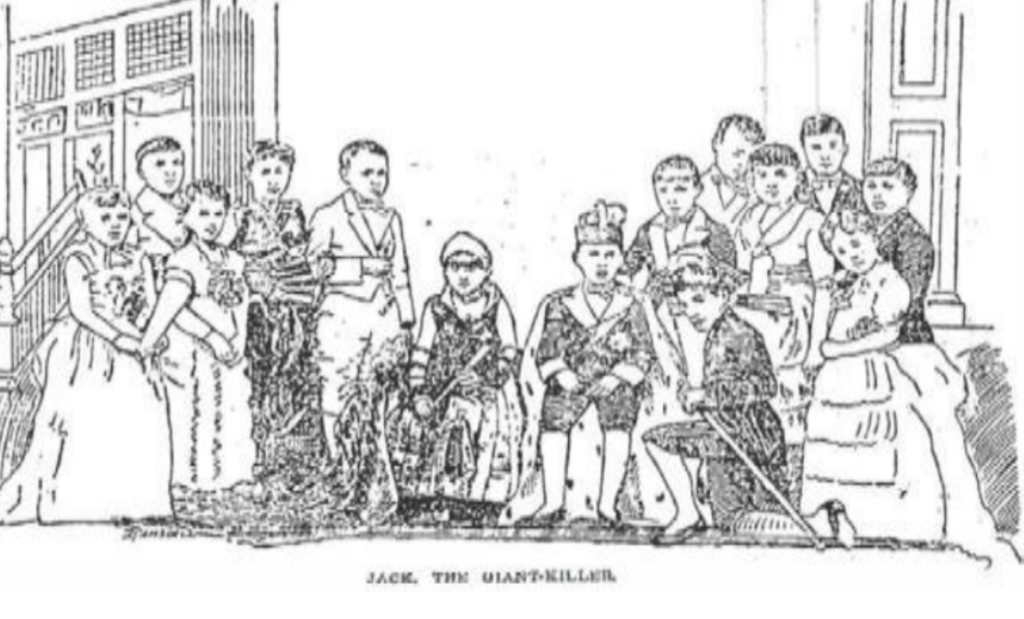
However, the author also acknowledges the presence of life and joy in the school: teachers invested great personal care into their students, often treating them like their own children, developing new strategies to patiently teach basic skills. Many students, unable to express themselves in other ways, were excellent at occupational skills like brass hammering, and the products of their hard work were displayed and admired throughout the school. The school had an annual operetta in which everyone participated. This article also provides a basic outline of how the school was structured, which remained much the same until the mid-20th century. Students were classified into one of three categories: the “weak-minded,” which were considered capable of education and eventually left the institution; “custodials,” who were constantly watched by an attendant, but remained in school, and “the hospital class,” which included epileptics, who permanently remained in the institution and included the most severe, often bed-bound, cases. Among those in school were three departments: kindergarten, which focused on some basic skills along with socialization, an older class that focused on more academic subjects like reading, writing, and simple mathematics, and an advanced class for older students. Physical discipline was discouraged at the school, but not unheard of, with restraints used on occasion and a “Quiet Room” for particularly disruptive students.
The Early 20th Century
Discussions on the treatment of epileptics were central to this period. The prevailing attitude at the time was that epileptics, generally having fewer intellectual deficits than other patients at mental institutions, should be treated separately. To this goal, an “epileptic colony” was set up in 1909, where young men with epilepsy worked on a farm. (Source: https://mn.gov/mnddc/past/pdf/10s/10/10-HMS-UNK.pdf) This farm successfully supplied all of the milk and much of the produce for the institution.
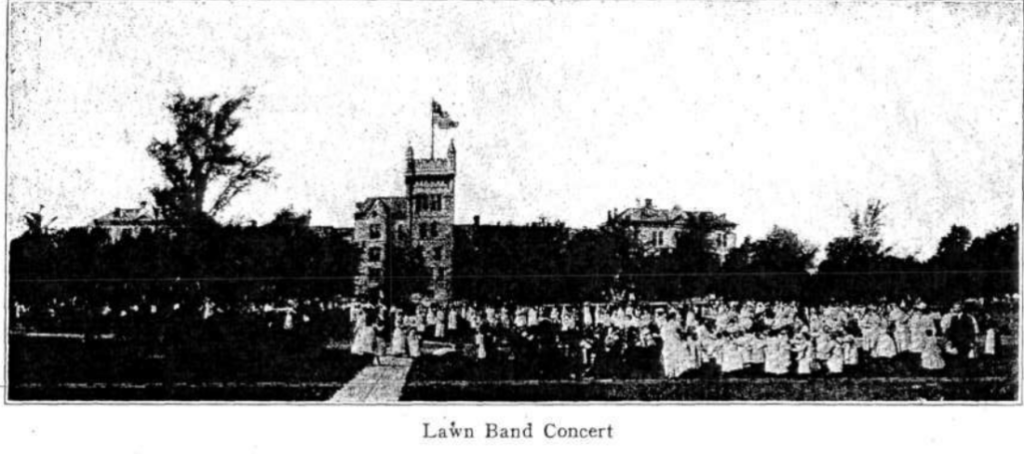
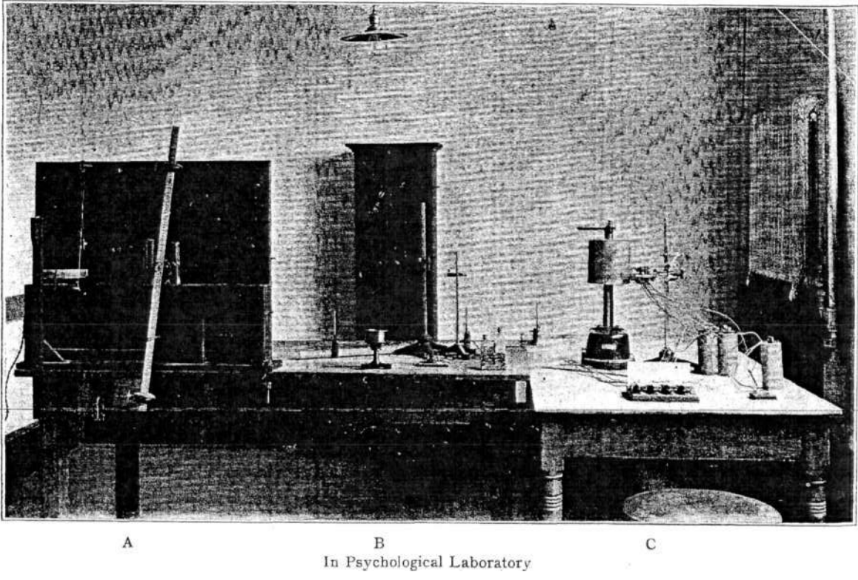
Much research was also conducted at the institutions, such as a study on epilepsy treatment, reports on measles and smallpox outbreaks, a study on the prevalence of diphtheria antibodies, as well as other psychological research. It was also at this time that the institution started offering summer school courses for teachers, doctors, and students of psychology. These ran during the summer, when many patients were off-campus, and offered an education into how best to manage “defectives.” They were advertised as having “a eugenic interest…Their presence in society lowers the general average of human efficiency.” Students were allowed to interact with patients as well as use the institution’s library and psychological laboratory.
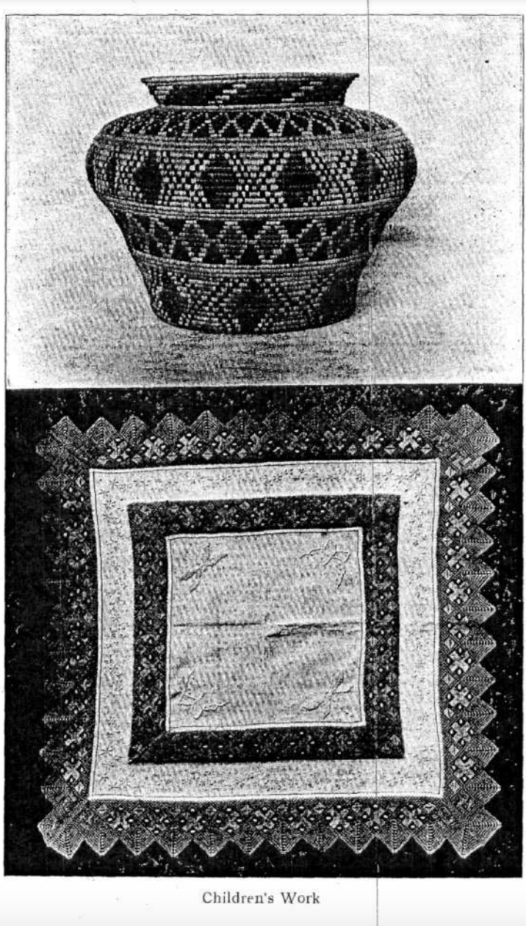
Handicraft training continued at the institution in similar ways as in the late 19th century, although the focus on brass hammering was switched to one on brush work, where patients made brushes to be sold in the public, with profits returned to the institution (Source: https://mn.gov/mnddc/past/pdf/90s/91/91-MSR-ACR.pdf). Other occupations included making nets and basket-weaving. This work was heavily gender-segregated, with boys working at the farm or in industrial occupations and girls often sewing or cooking. This work was seen as therapeutic and a distraction from previous undesirable behaviors, although financial motivations from selling the products of the students’ labors were likely also a factor.
A.C. Rogers, the superintendent at the time, preferred to call the school a “village community for the mentally deficient” (Source: https://mn.gov/mnddc/past/pdf/10s/15/15-SIF-ACR.pdf), seeking to educate the patients who could benefit from school and give those that wouldn’t a comfortable life. Despite this rosy perspective, those who left the institution often didn’t have much to look forward to. According to a 1914 report, of the 493 patients who had left the institution, 107 had returned, 57 had entered other institutions, another 57 were dead, 11 were married, and 49% could not be located at all. A children’s library was established around this time, offering magazines, books, games, and vinyl records to a select number of students who received library cards, causing such books to be prized possessions around campus.
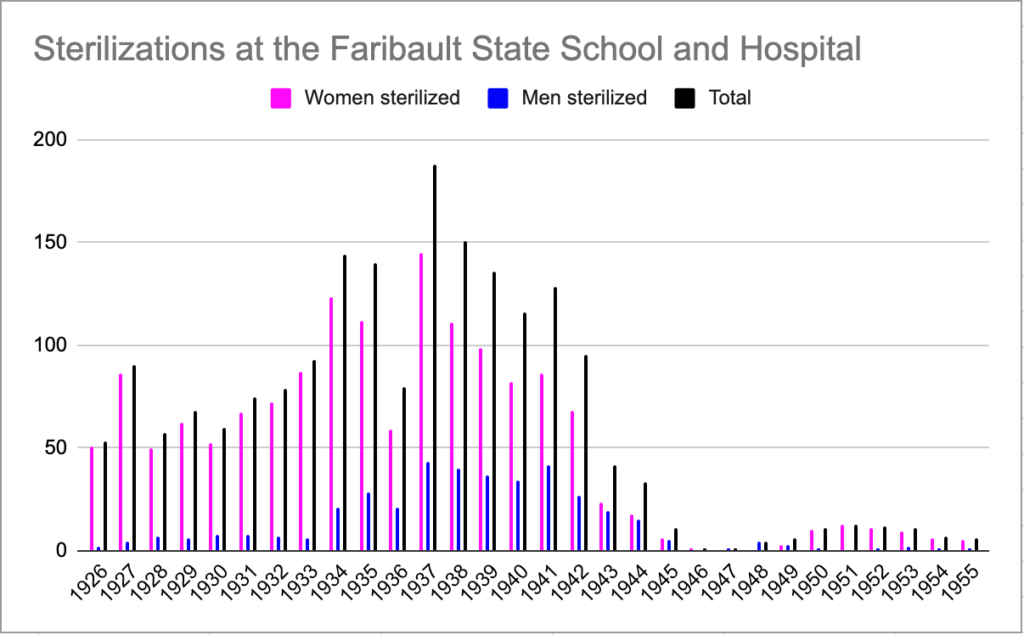
The first mention of sterilization as a widespread policy can be found in a 1929 report, and this remained a part of Faribault policy well into the twentieth century. Sterilizations peaked in the immediate pre-war period, with 188 patients receiving the surgery in 1937. In general, more women were sterilized than men. Over the history of the Faribault institution, thousands were forcibly sterilized, permanently impacting their lives. In a continued violation of rights, the desire to give patients privacy seems to have abated during this period, such as during a 1936 meeting where particularly intriguing cases, such as a set of microcephalic twins, were presented to other medical professionals by the school’s assistant physician, A.R.T. Wylie, in a kind of exhibition. In this meeting, Wylie claimed of those with Down Syndrome, “By a great deal of labor you can teach them to read, but it is of no particular use to them. In a short time, unless you keep right after them, they forget it” (pg. 13). Some of the original patients from the 22 sent to Faribault from the St. Peter hospital were still at the institution in 1936, although were very old. This shows the wide age range of Faribault patients, which persisted throughout the institution’s history, serving infants to octogenarians. This diverse group of patients were all governed by strict rules, such as censorship of mail, daily checking of locks, the forbidding or restriction of some items such as matches or lock boxes, and frequent roll calls. Special attention was paid to preventing the interaction of men and women— male and female patients couldn’t dance together at the weekly dances and there was even concern about male patients who worked as mail carriers waving to female patients.
It was at this time that the overcrowding and understaffing of the institution came to the forefront— a report issued by the Minnesota State Medical Association in 1947 showed how overcrowded the outdated buildings were, how depleted supplies became during WWII, the inadequate kitchens, and the large number of patients on the waitlist because facilities were insufficient to accommodate everyone. Fire alarms were out of order and many buildings didn’t have sprinkler systems, which, combined with overcrowding, created a serious fire hazard. The kitchens were not only overburdened, but the equipment in them made it “impossible to supply, prepare and serve a balanced and palatable diet. It is impossible, for example, to serve a piece of toast, a fried egg or hotcakes with the type of equipment the institution has.” This meant that all food was either steamed or boiled, and the food budget for one patient for a whole year was $60.83. More concerningly, it was reported that “in one building, at least one-third of the patients were in restraints, the reason given being that there was not enough help to permit the children to move about without them. About a dozen children were observed to be tied on toilets to prevent them from falling off.” In another example of understaffing, one staff member was charged with caring with 71 severely disabled children. A letter from the superintendent at the time, E.G. Engberg, to the director of the Minnesota Division of Public Institutions asserts that overcrowding was so severe that some patients were sleeping on mattresses on the floor. One letter sent to the institution said of a group of female patients “The clothes are grimy, unironed, torn; the hair is cut so short it makes them look hideous, branded I would say, like convicts! This is no doubt done for convenience sake [sic], but how can these girls take any pride in themselves. They know how they look.” Nevertheless, some patients preferred this to the prejudice that they would face on the outside:
One…crippled man who is bright enough to be very articulate and expressive told me once, “I don’t know what I ‘d do if I couldn’t stay here, people on the outside would never help me,” And he was right. They wouldn’t. He was much too ugly, much too distorted physically for the normal world to put up with. And so, he is at Faribault.
John L. Holahan, 1952, “A Study of the Institutional Needs for the Mentally Retarded in the State of Minnesota,” (https://mn.gov/mnddc/past/pdf/50s/52/52-holahan-inst-needs-study.pdf), pgs. 5-6.
It was at this time that many became shocked at the situation in Faribault. A report released in 1952 asserts that “we are yet to read of a kindly account of the school and colony at Faribault” (pg. 3). The patient demographics were also changing: As parents became more hesitant about committing their child to an institution, those who were committed tended to be more severely disabled, changing the work patterns at the institution and creating a heavier workload for staff (pg. 2). When a group of parents came to visit the hospital on June 22, 1954, there were a variety of reactions. Some were pleased with what they saw, which eased their fears about their children’s new home (pg. 2). Others noticed the overcrowding and outdated facilities, and one mother complained that the Christmas presents sent to the children seemed to be gone by summer, and that there seemed to be few toys for the children (pg. 3).
More Information about the Regional Center can be found at:
